The 90 Degree Bending Milestone
Somewhere in these early weeks, bending your new knee to 90 degrees becomes the goal everyone talks about.
It's a real milestone, and it arrives at different times for different people. Everyone's recovery moves at its own pace. Whether you're chasing it with excitement or lying awake worried you're behind, here's what to expect from the 90-degree mark.
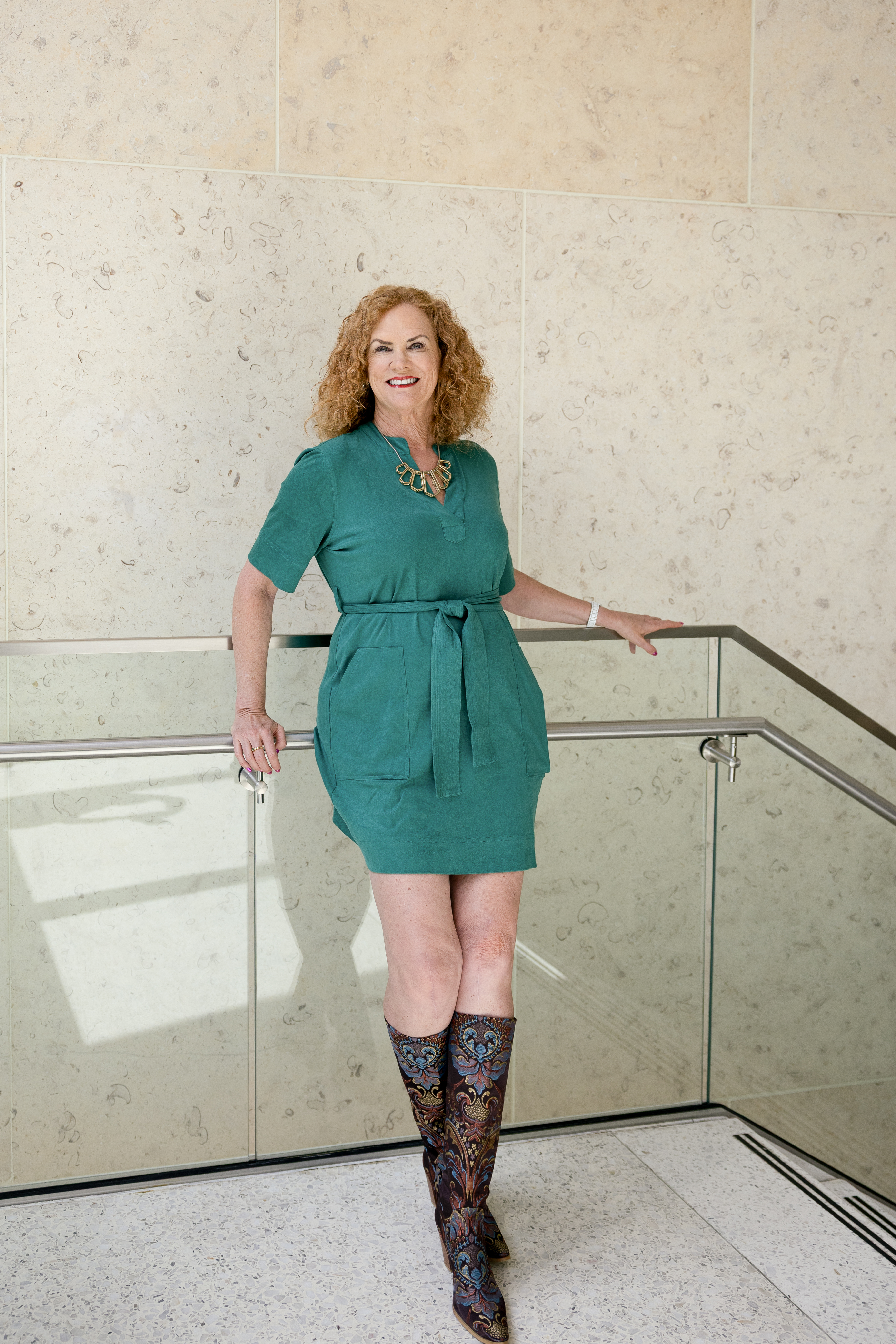
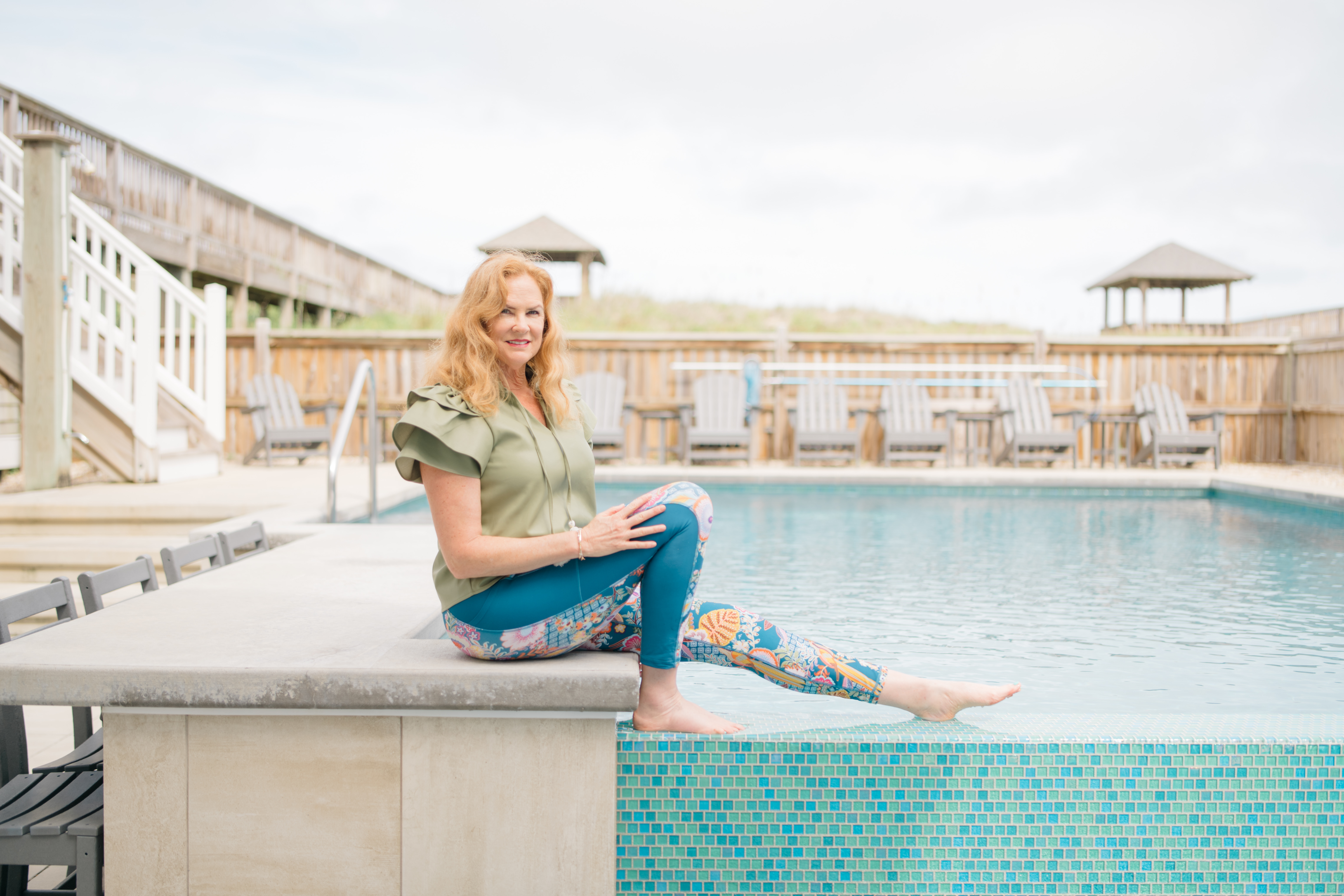
I'm Diana Braun, founder of The Knee Zone and a certified coach, and I've recovered from two knee replacements. This is paired with the guidance of Dr. Raj Sinha, a board-certified orthopedic surgeon with nearly 30 years and more than 10,000 knee replacements behind him, and my co-author on Knee Replacement Secrets. Read more about us.
What's the usual timeline for 90 degrees?
Straight comes before bent. Your first milestone is full extension, a knee that straightens all the way. The sooner you get there, the sooner your flexibility improves and the pain eases, so keeping your leg straight during rest matters from day one. Dr. Sinha's general guidance is to aim for full extension in the first couple of weeks. If it takes you a little longer, that's not a reason to panic.
Then comes 90 degrees of bend. Dr. Sinha's typical range for reaching it is four to six weeks, give or take depending on you. Hit it a little early without hurting yourself? Wonderful. Take a little longer? Also fine, as long as you're seeing progress.
By three months, Dr. Sinha's view is that you should be able to bend to at least 90 degrees. If you're not there by then, it's worth a real conversation with your surgeon and PT, not a spiral. Keep communicating and keep following your plan. From wherever your range of motion sits at three months, you can generally expect another 15 to 20 degrees over the next year. So don't get worked up about the bending number before that three-month mark.
One more thing that surprises people: strength matters as much as range. You're not likely to lose motion after three months, but if you don't rebuild your strength, muscle pain can show up as you get active again. These are general timelines from Dr. Sinha and the book. Your surgeon and PT know your knee, so follow their read of your specific case.
How to set yourself up to hit 90 degrees
The biggest lever, alongside your PT plan and pushing a little further each day, is managing swelling. Swelling and flexibility are tied together directly. The more swollen the knee, the smaller its range. Bring the swelling down and the bend comes easier.
So lean on RICE: rest, ice, compression, elevation. Straightening fully comes first and does a lot of the work toward 90. When you elevate, keep the leg straight with a pillow under your ankle, not your knee, and raise your foot to about nose level whether you're on the couch or the bed. Keep ice on the knee between times. Buy a few flexible packs and keep them rotating through the freezer so a cold one is always waiting.
Stay strict with your pain medication too. Most plans lean on acetaminophen (Tylenol) with an anti-inflammatory like ibuprofen (Advil, Motrin) or naproxen (Aleve), and sometimes a prescription-strength anti-inflammatory your doctor chooses instead. They calm inflammation and quiet the pain right at the swollen knee, and taken on schedule they treat it at the source. Controlling pain early makes for a smoother, steadier recovery. And medication always works better paired with real rest.
If you're still hurting and badly swollen after the first few weeks, Dr. Sinha suggests asking your surgeon whether a knee brace or immobilizer makes sense to limit movement for a while. Activity stirs up soreness and swelling early on, so cutting the extra motion can help some people.
Keep your expectations realistic
Moving fast? That's great, and don't rush the milestones before you're ready. Recovery is slow and steady wins the race, every time. Steady progress, without sprinting or stalling, is the goal. Work with your surgeon and PT to find the pace that's just right for you.
You don't have to figure this out alone
Am I where I'm supposed to be? Almost everyone asks it, usually about this exact number. We built The Knee Zone to meet you wherever you are on your knee journey and tell you what's normal at every stage.
Watch more from Diana and Dr. Sinha on YouTube.